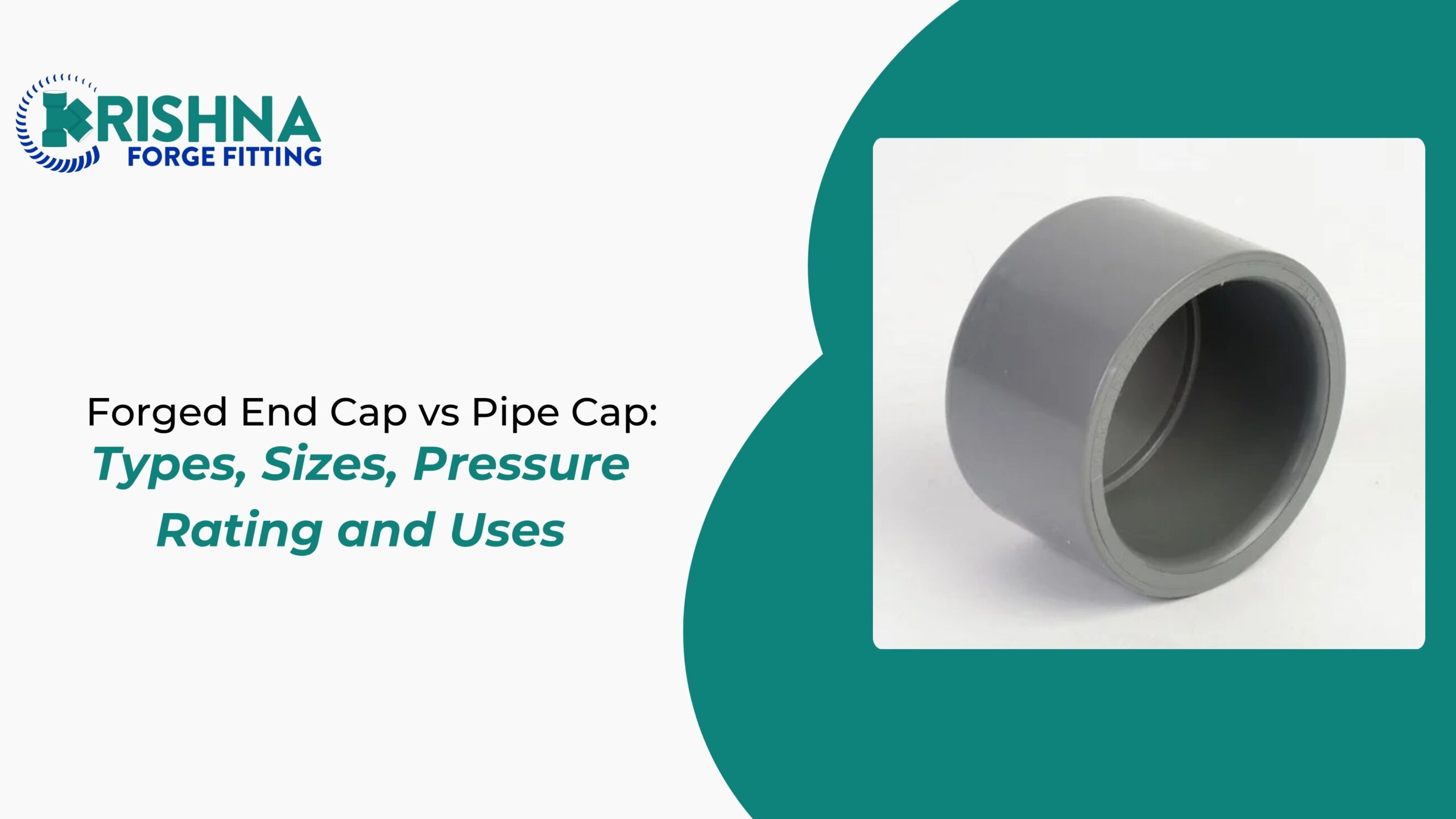
Forged End Cap vs Pipe Cap: Types, Sizes, Pressure Rating and Uses
Buyers use “end cap” and “pipe cap” as if they were the same part, and suppliers quote whichever one they
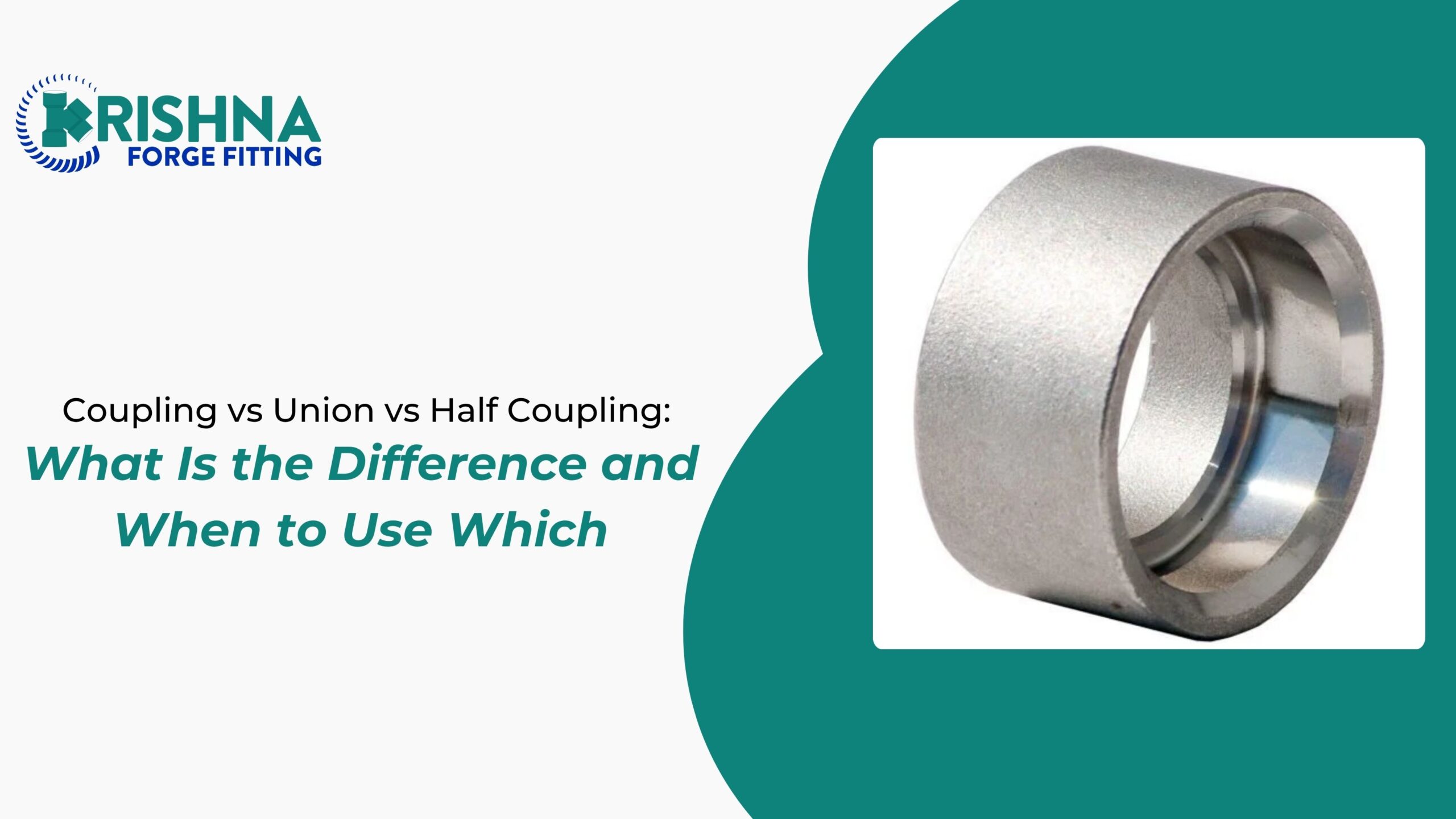
Coupling vs Union vs Half Coupling: What Is the Difference and When to Use Which
Three fittings, all small, all cheap, and the choice between them decides whether a future maintenance job takes twenty minutes
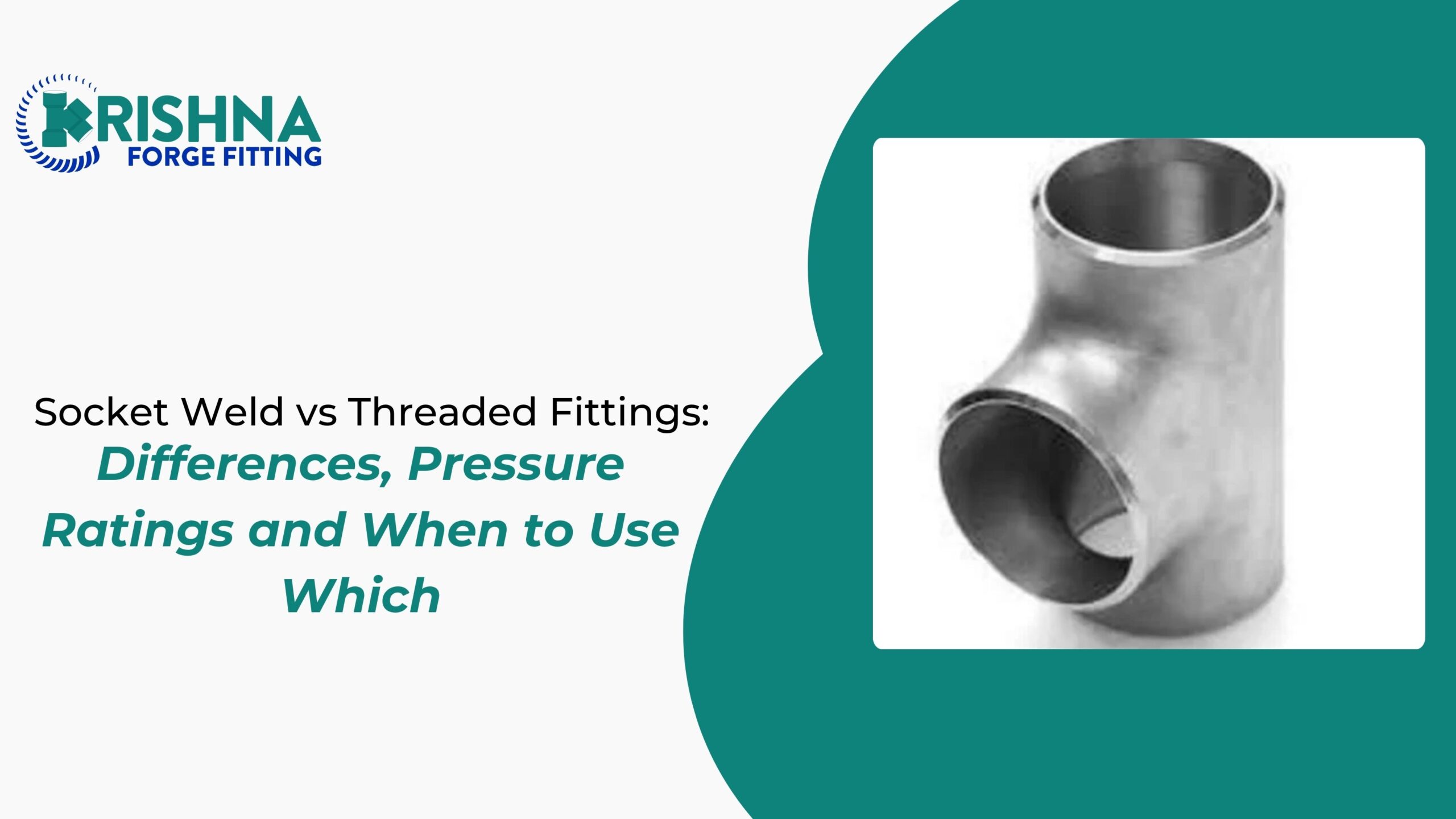
Socket Weld vs Threaded Fittings: Differences, Pressure Ratings and When to Use Which
The two sit side by side in the same catalogue, in the same sizes, made from the same steel, and
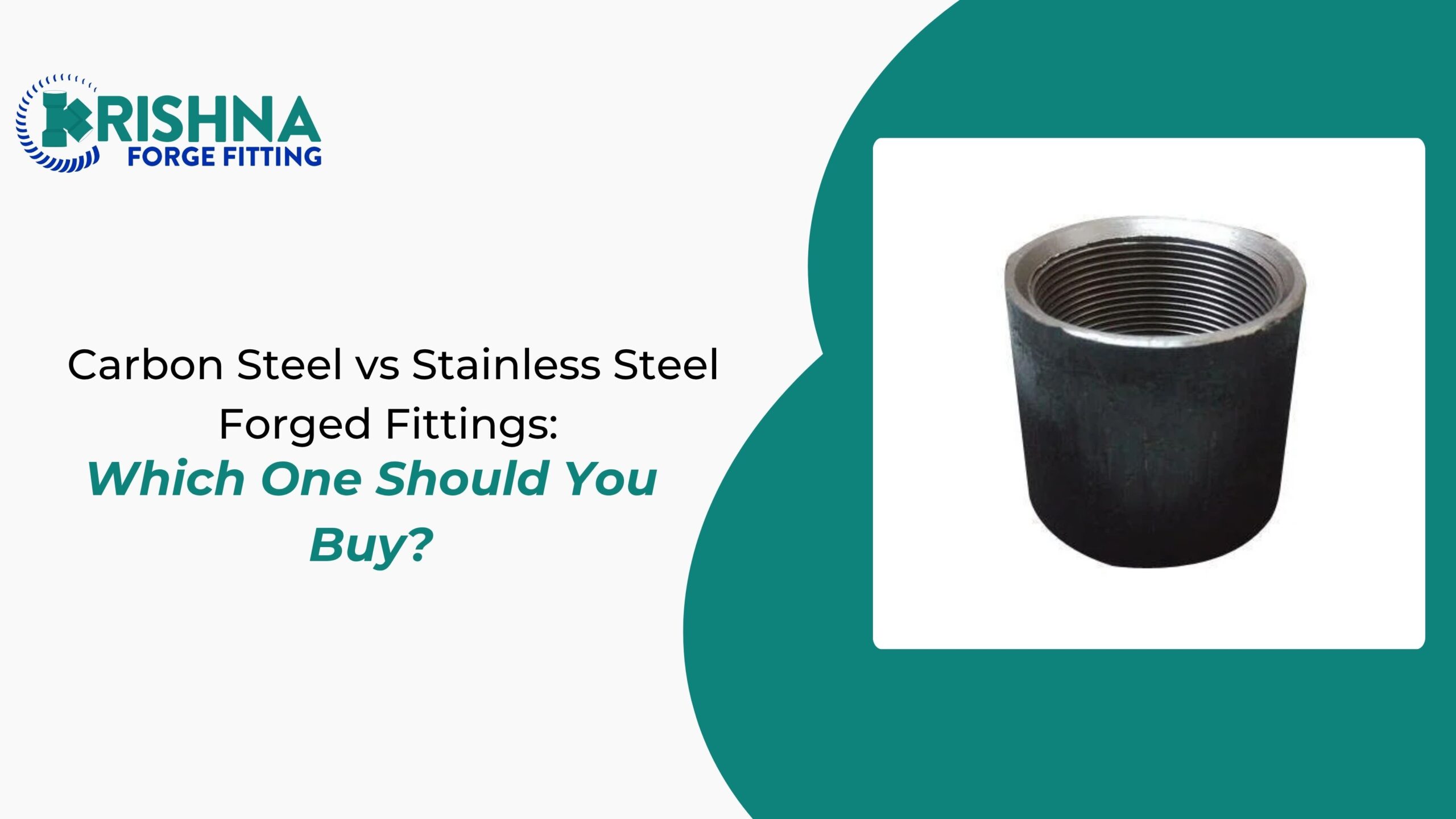
Carbon Steel vs Stainless Steel Forged Fittings: Which One Should You Buy?
Most buyers settle this question on price per piece and regret it in year four. Stainless typically costs three to
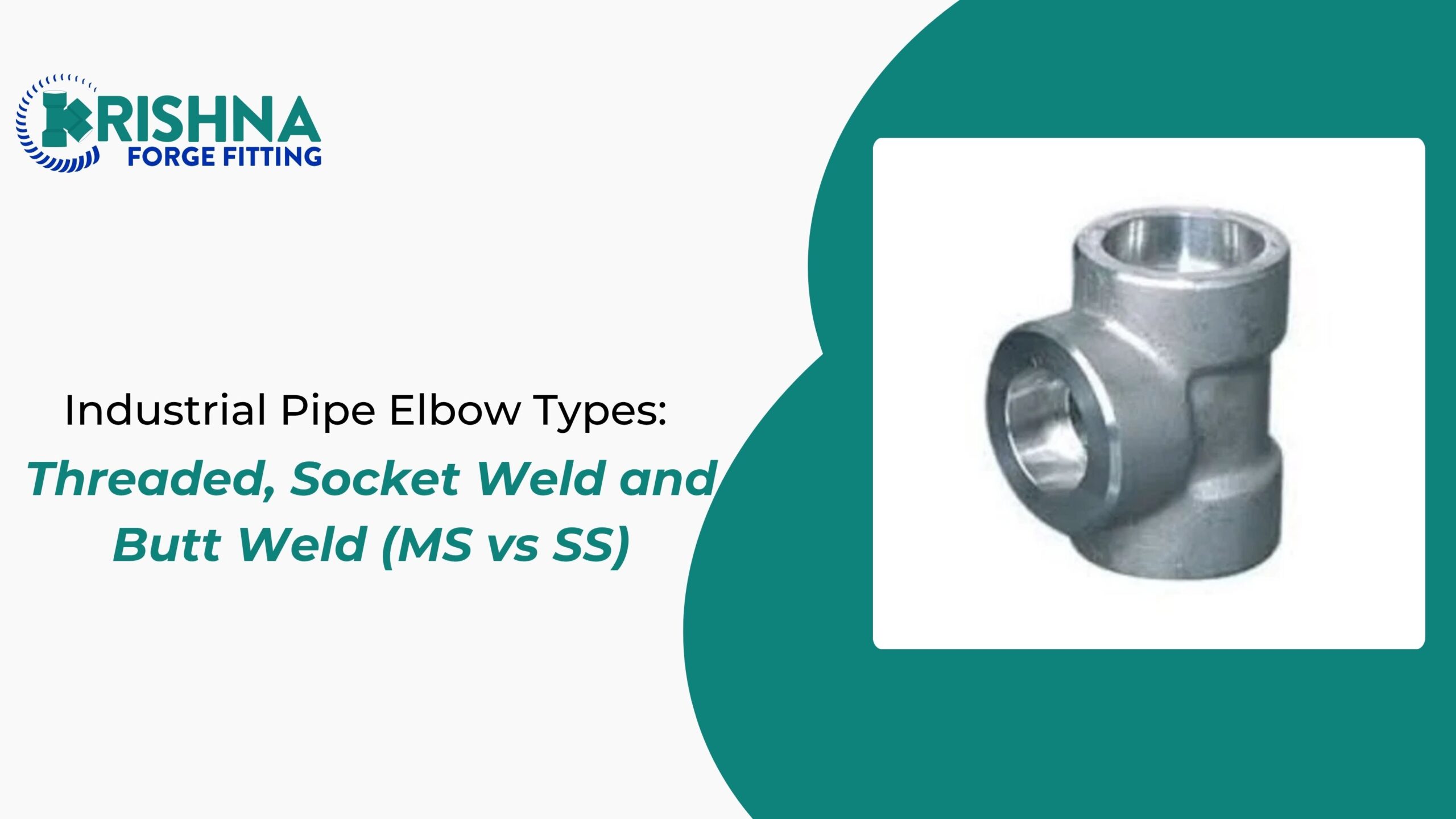
Industrial Pipe Elbow Types: Threaded, Socket Weld and Butt Weld (MS vs SS)
An elbow looks like the simplest part in a piping system and generates a disproportionate share of its problems. Pick
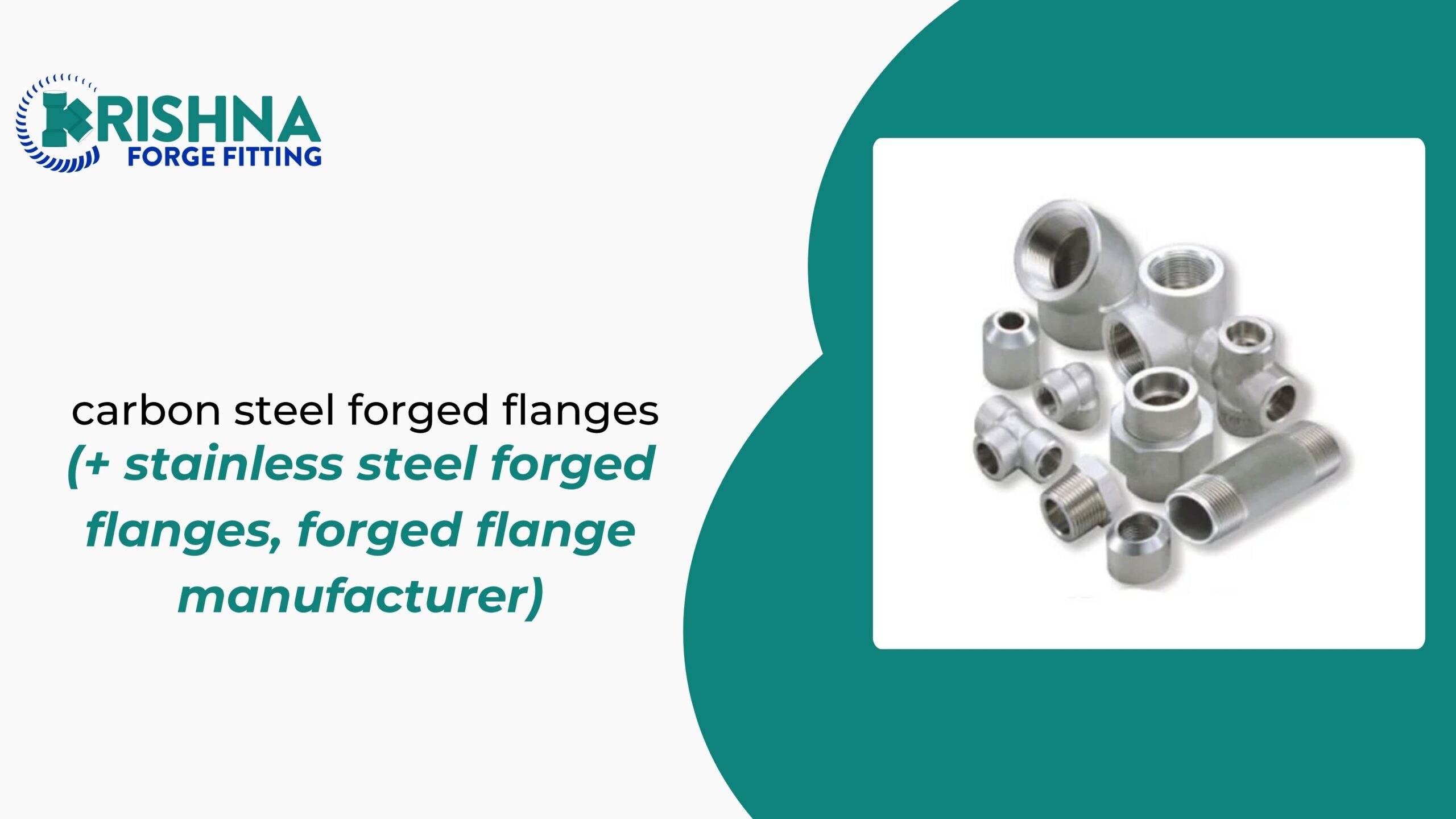
Carbon Steel Forged Flanges and Stainless Steel Forged Flanges: Types, Grades and Selection
Flange orders go wrong in predictable ways: the wrong face type cracks a cast iron valve body, a slip-on gets
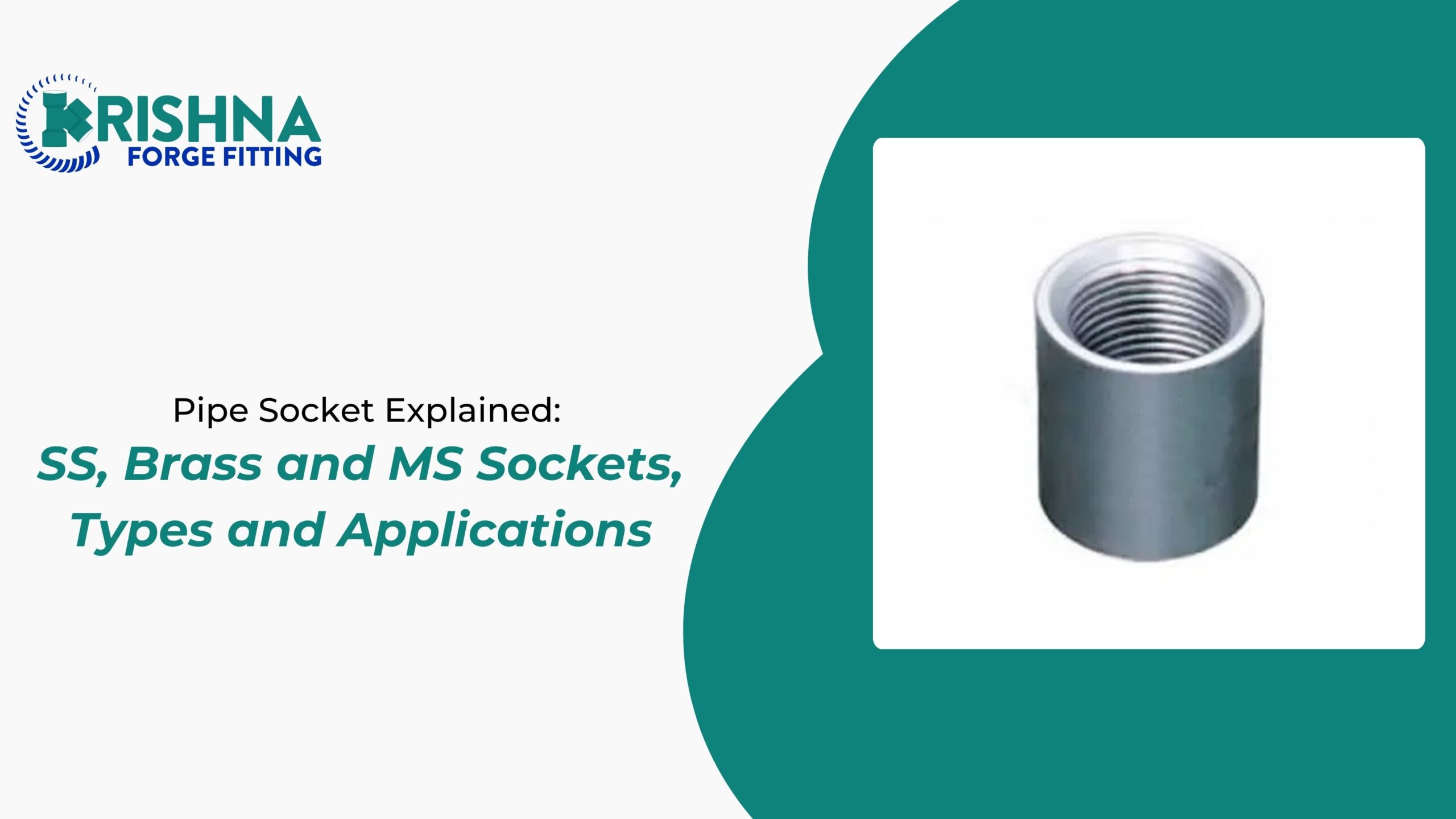
Pipe Socket Explained: SS, Brass and MS Sockets, Types and Applications
A pipe socket is the most ordered and least specified fitting in Indian industry. Orders arrive reading “1 inch socket,
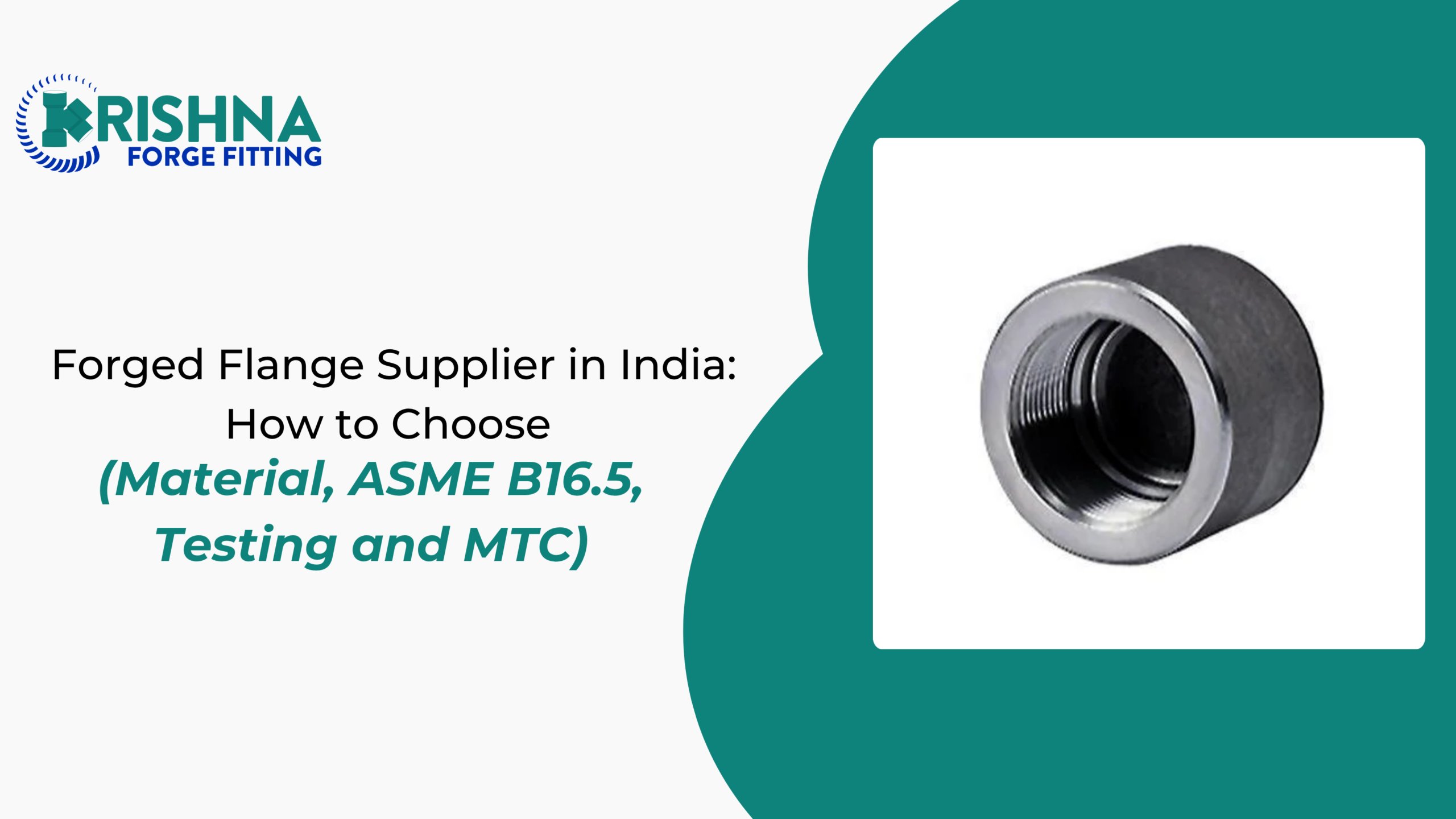
Forged Flange Supplier in India: How to Choose (Material, ASME B16.5, Testing and MTC)
Two flange quotes land in your inbox. One is 30% cheaper. The cheaper lot arrives with a mill certificate that
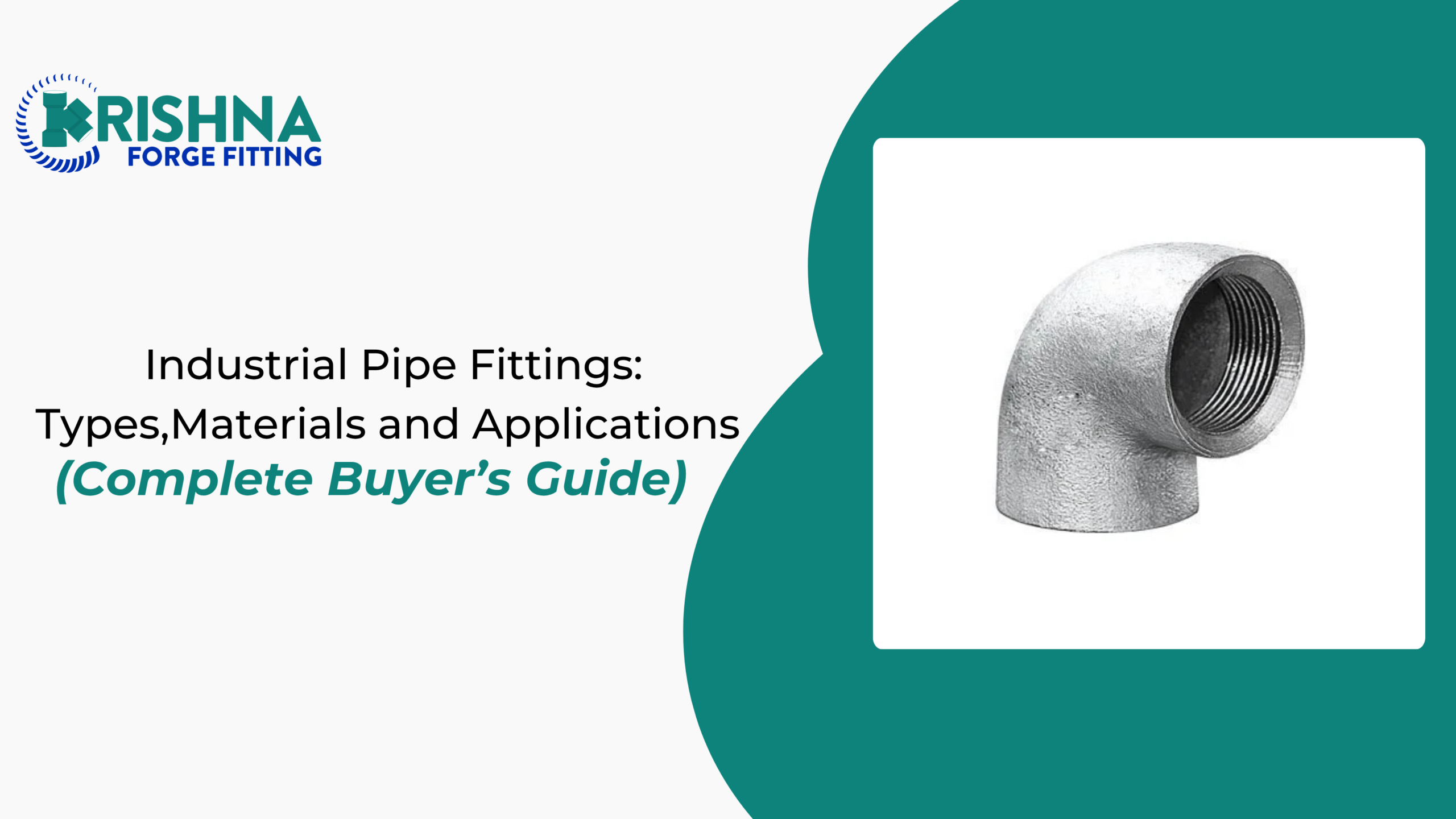
Industrial Pipe Fittings: Types, Materials and Applications (Complete Buyer’s Guide)
A single wrong fitting can shut down a line. Buyers ordering for a boiler header, a sprinkler loop or a
