
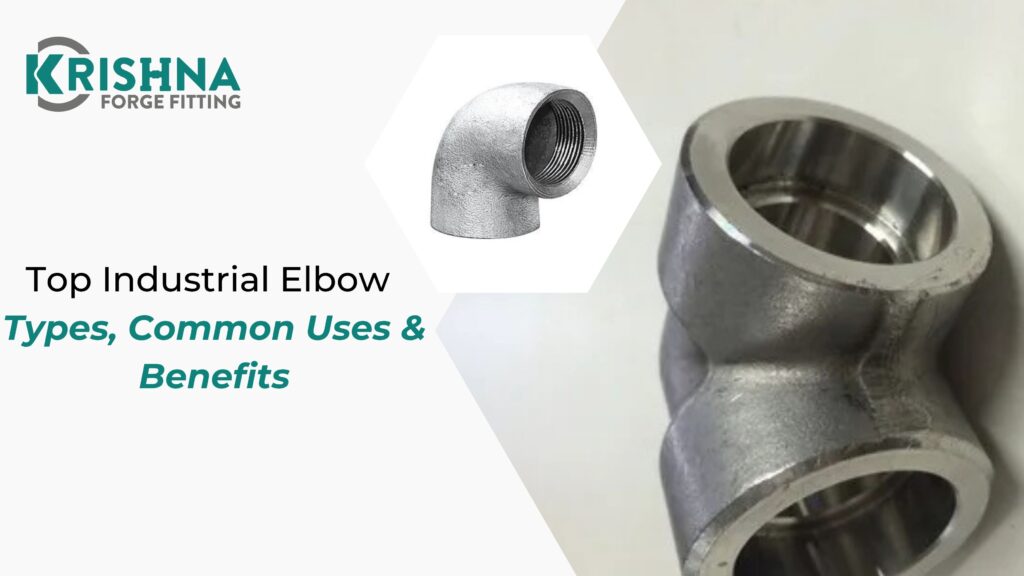
Industrial couplings are the unsung heroes of mechanical systems, quietly ensuring smooth power transmission between shafts while protecting equipment from misalignment, vibration, and shock. Whether you’re setting up a manufacturing line, maintaining heavy machinery, or optimizing industrial processes, understanding couplings is essential for reliability and efficiency. This comprehensive guide breaks down the types of industrial couplings, their common applications, and the key benefits they bring to modern industries.
What Are Industrial Couplings?
At their core, industrial couplings are mechanical devices that connect two shafts to transmit torque and rotational power. They accommodate minor misalignments, absorb shocks, and reduce vibrations, thereby protecting connected machinery from premature wear or failure. Without couplings, slight misalignments or torque fluctuations could lead to costly downtime and equipment damage.
Couplings come in a variety of designs and materials, each tailored to specific operational demands such as torque capacity, alignment tolerance, and environmental conditions. Selecting the right coupling type is a strategic decision that directly impacts machine longevity and system performance.
Types of Industrial Couplings
Industrial couplings can be broadly categorized into rigid and flexible types, with several specialized variations within each category.
1. Rigid Couplings
Rigid couplings provide a solid, inflexible connection between two shafts, transmitting torque without accommodating any misalignment. They are ideal for applications where precise shaft alignment is possible and vibration is minimal. Common uses include pumps, compressors, and heavy machinery requiring high torque transmission with low vibration.
2. Flexible Couplings
Flexible couplings allow for some degree of angular, axial, or parallel misalignment between connected shafts. They absorb shocks and vibrations, reducing wear on components and extending machinery life. These couplings are widely used in rotating equipment like conveyor belts, industrial fans, and HVAC systems where minor misalignments are inevitable.
3. Gear Couplings
Featuring toothed hubs and sleeves, gear couplings transmit high torque while accommodating angular and parallel misalignments. Their robust design makes them suitable for heavy-duty applications such as steel mills, mining equipment, and marine drives. They excel in high-speed environments requiring durability and precision.
4. Disc Couplings
Disc couplings use flexible metal discs to transfer torque while allowing for angular and axial misalignment. They are preferred in high-speed machinery such as turbines, generators, and pumps due to their zero-backlash performance and high accuracy. Additionally, disc couplings require no lubrication, reducing maintenance needs.
5. Jaw Couplings
Jaw couplings consist of two hubs and an elastomeric spider that dampens vibration and accommodates misalignment. Common in automation, packaging, and light industrial machinery, they provide reliable torque transmission with excellent vibration attenuation.
6. Universal Couplings (U-Joints)
Universal couplings transmit torque between shafts at varying angles, making them ideal for applications where shaft alignment changes during operation. They are commonly found in automotive driveshafts, agricultural machinery, and conveyor systems, providing flexibility and durability.
7. Fluid Couplings
Fluid couplings use hydraulic fluid to transfer torque between shafts, allowing for smooth starts and shock absorption in heavy-duty machinery like conveyors and crushers. By minimizing mechanical stress, they protect equipment from overload and extend operational life.
Common Uses of Industrial Couplings
Industrial couplings are integral to a wide array of sectors, each demanding specific coupling characteristics to meet operational challenges.
- Manufacturing & Production Lines: Couplings connect motors to conveyors, mixers, and rollers, ensuring smooth operation despite minor misalignments and reducing downtime.
- Power Generation: Turbines, generators, and pumps rely on gear and grid couplings to handle high torque and thermal expansion, maintaining system stability.
- Water & Waste Management: Flexible and pin bush couplings absorb vibration and accommodate shaft misalignment in pumps and treatment equipment operating in corrosive environments.
- Automotive & Aerospace: Precision-driven disc couplings provide backlash-free torque transmission in testing rigs and assembly systems where accuracy is paramount.
- Chemical & Pharmaceutical Plants: Non-lubricated, backlash-free couplings like disc couplings ensure sterile, precise operation in mixers, centrifuges, and reactors.
- Construction & Mining: Rugged gear and grid couplings withstand dust, shock, and load variations in crushers, hoists, and heavy machinery.
Benefits of Industrial Couplings
Choosing the right coupling system delivers numerous advantages that enhance machinery performance and operational efficiency.
Misalignment Compensation
Couplings can accommodate angular, axial, and parallel misalignments, reducing stress on shafts and bearings. This flexibility prevents premature wear and costly repairs.
Vibration and Shock Absorption
By dampening vibrations and torque fluctuations, couplings protect sensitive components and improve overall system stability. This is critical in heavy-duty and high-speed applications.
Improved Operational Safety
Certain couplings are designed to fail safely under overload conditions, preventing catastrophic damage to expensive machinery and ensuring worker safety.
Ease of Maintenance and Installation
Many couplings feature modular designs that simplify installation and maintenance, minimizing downtime and reducing operational costs.
Enhanced Energy Efficiency
Smooth torque transmission reduces energy losses, contributing to improved machine efficiency and lower operating expenses.
Versatility Across Applications
Available in various materials and designs, industrial couplings can be tailored to specific environmental conditions, load requirements, and industry standards.
How to Choose the Right Coupling
Selecting an industrial coupling requires careful consideration of several factors:
- Torque Requirements: Ensure the coupling can handle the maximum torque load without failure.
- Misalignment Type and Degree: Identify whether angular, axial, or parallel misalignment will occur and choose a coupling that accommodates it.
- Operating Environment: Consider temperature, chemical exposure, moisture, and contamination that may affect coupling material and design.
- Maintenance Preferences: Decide if a lubricated or maintenance-free coupling suits your operational needs.
- Speed and Precision: High-speed or precision machinery demands couplings with low backlash and high accuracy.
Conclusion
Industrial couplings are vital components that ensure seamless power transmission, protect machinery from misalignment and vibration, and enhance operational safety and efficiency. From rigid to flexible, gear to fluid couplings, each type serves a unique purpose tailored to specific industrial demands.
Understanding the types, applications, and benefits of couplings empowers entrepreneurs and engineers to make informed decisions that optimize system performance and longevity. Whether you’re working in manufacturing, power generation, or mining, the right coupling choice is a cornerstone of mechanical harmony.
