
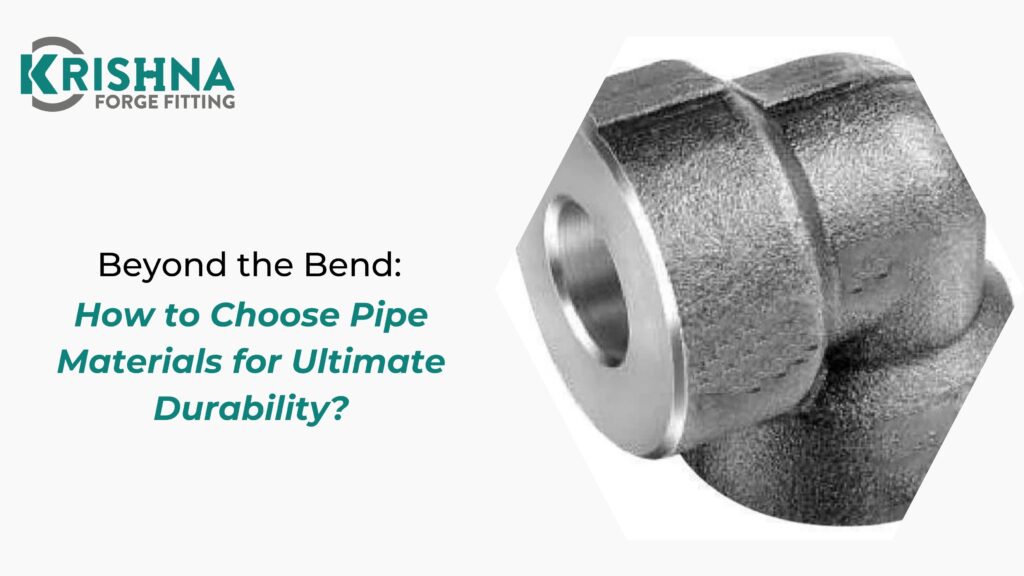
Choosing the right pipe material for bends is pivotal in maximizing the longevity, reliability, and performance of any piping system. This comprehensive guide explains everything about pipe bend materials, bending types, factors affecting selection, and practical advice to ensure durability in the toughest industrial environments.
Understanding Pipe Bends: Purpose and Variety
Pipe bends are critical in redirecting flow, easing pipeline layouts, and coping with structural or environmental obstacles. Their applications span industries such as oil and gas, chemical processing, water treatment, plumbing, HVAC, and aerospace.
Types of Pipe Bends
- 1.5D, 3D, 4D, 5D, and 10D Bends: These represent the bend radius as a multiple of the pipe diameter. Larger radii reduce turbulence and stress on the material.
- 90°, 45°, and 180° Bends: Standard angles for turning, gentle transitions, or flow reversal.
- U-Bends, Long Radius, Short Radius, and Miter Bends: Specialized bends for tight spaces or specific engineering requirements.
Key Materials for Pipe Bends
Carbon Steel
- Strength: Excellent for high-pressure applications.
- Durability: Cost-effective and widely available.
- Limitation: Prone to corrosion unless coated or lined.
Stainless Steel
- Corrosion Resistance: Performs well in aggressive chemical and humid environments.
- Versatility: Used for food, pharma, water, chemical, and petrochemical lines.
- Grades: Austenitic, ferritic, and martensitic types offer varied performance.
Alloy Steel
- High-Temperature Strength: Maintains integrity at elevated pressures and temperatures.
- Resistance: Superior against thermal and mechanical stress.
Aluminum
- Lightweight: Favored for lower-pressure and high-mobility installations.
- Good Malleability: Easy to bend, especially when heated.
- Limitation: Moderate corrosion resistance, best enhanced with coatings.
Copper
- Anti-Corrosion: Naturally resists many chemicals and forms a protective oxide layer.
- Malleable: Easy to shape for compact and complex layouts.
Titanium
- Exceptional Strength-to-Weight: Used in high-performance and aerospace sectors.
- High Formability: Excellent corrosion and temperature resistance, requires overbending for precise shapes.
Non-Metallics: PVC & CPVC
- Corrosion Proof: Resistant to most acids, bases, and salts.
- Limitation: Limited temperature and pressure resistance compared to metals.
Factors Affecting Pipe Bend Material Selection
- Operating Temperature and Pressure: Match material grade to system demands for safety and durability.
- Corrosion Resistance: Consider the nature of fluids (acidic, saline, or otherwise aggressive) and environmental exposure.
- Mechanical & Thermal Stress: Some metals handle frequent pressure spikes and fluctuations better than others.
- Malleability & Bending Method: Highly ductile materials allow for cold bending, others require hot bending techniques.
- Cost and Availability: Balance premium performance against budget and local supply.
- Installation Space: Opt for short radius or miter bends in confined areas.
- Regulatory Standards: Ensure compliance with relevant codes and industry certifications (ASME, ASTM, ISO, etc.).
Comparing Corrosion Resistance: Material Insights
| Material | Corrosion Resistance | Maintenance Requirement | Common Usage |
| Carbon Steel | Low, needs protection | Regular inspection/coating | Oil, gas, water with coatings |
| Stainless Steel | High, except pitting zones | Minimal | Food, pharma, chemical, clean fluids |
| Copper | Good, except in chlorides | Moderate (in aggressive media) | HVAC, potable water, electronics |
| PVC/CPVC | Very high | Minimal | Water, wastewater, acids, chemicals |
| Alloy Steel | Moderate to high | Coating recommended | High temp, high pressure |
| Titanium | Excellent | Minimal | Aerospace, critical systems |
| Aluminum | Moderate, coatings help | Inspection for stress corrosion | Mobile, light-duty flows |
Durability in Practice: Application Scenarios
- Oil & Gas Pipelines: Alloy and stainless steel bends handle high pressures and acidic gases.
- Water Treatment Plants: Stainless steel and PVC/CPVC ensure corrosion immunity, minimal maintenance.
- Chemical Plants: Alloy steels and titanium survive aggressive, fluctuating environments.
- Residential/Commercial Plumbing: Copper, stainless steel, and PVC bends for potable water, drainage.
- Aerospace/Automotive: Aluminum and titanium for lightweight systems exposed to extreme conditions.
Maintenance and Longevity Tips
- Routine Inspection: Schedule regular checks for corrosion, wall thinning, and mechanical damage.
- Coating & Cathodic Protection: For metals like carbon steel, apply protective layers or use sacrificial anodes.
- Environmental Adaptation: Select materials tailored for humidity, chemical exposure, and temperature swings.
- Expert Consultation: Engage with materials professionals or engineers for precise recommendations.
Making the Right Choice: Steps to Success
- Analyze System Needs: Map temperature, pressure, and chemical profile of the transported fluid.
- Evaluate Material Options: Compare metals and non-metals based on the above factors.
- Assess Installation Constraints: Consider bend radii, space, and method of fabrication.
- Consult Experts: Collaborate with professional engineers, suppliers like Krishna Forge Fitting.
- Prioritize Durability & Compliance: Favor long-term reliability over short-term cost savings.
Conclusion: Future-Proof Pipe Bends with Krishna Forge Fitting
Selecting pipe material is more than matching a specification—it’s an investment in safety, durability, and operational efficiency. By understanding material properties, bend types, environmental demands, and expert advice, every bend in your piping can be optimized for a long, trouble-free service life. Trust Krishna Forge Fitting for cutting-edge solutions and professional guidance when making these critical choices.
Choose the right material, go beyond the bend. Your pipeline’s future depends on it.# Beyond the Bend: How to Choose Pipe Materials for Ultimate Durability – Krishna Forge Fitting
Selecting optimal materials for pipe bends is a crucial step toward ensuring the longevity and reliability of piping systems in every industry. From oil and gas to construction, the bend you choose shapes not just the physical flow but the future of your operation. This guide explores the science and strategy behind selecting pipe bend materials, providing more insights and expanded headings to empower every decision.
Understanding Pipe Bends: Types and Their Significance
Pipe bends alter the direction of flow in a pipeline, adapting layouts to spatial and operational needs. They range in style and curvature:- 1.5D, 3D, 4D, 5D, and 10D Bends:** The “D” describes the bend’s radius as a multiple of the pipe diameter. A higher D value usually means less flow resistance and stress on the material.
- 90°, 45°, and 180° Bends: Standard options that control the direction, turbulence, and footprint of both industrial and residential pipelines.
- Specialized Bends: Includes U-bends, miter bends, long-radius bends, and short-radius bends to suit unique engineering requirements.
The Material Spectrum: What Makes Pipe Bends Durable?
Carbon Steel
- Strength: Ideal for high-pressure and mechanical load applications.
- Cost-Effective: Suitable for large-scale industrial projects.
- Drawbacks: Prone to corrosion without proper protection.
Stainless Steel
- Superior Corrosion Resistance: Handles aggressive chemicals and humid environments.
- Applications: Pharmaceuticals, food processing, water supply, and petrochemicals.
- Grades: Austenitic, ferritic, and martensitic steels fit different needs.
Alloy Steel
- Extreme Temperature Strength: Resilient at elevated pressures and fluctuating temperatures.
- Durability: Ideal for the most demanding settings.
Aluminum
- Lightweight & Formable: Easy to bend; often chosen for low-pressure, mobile, or weight-sensitive piping.
- Needs Protection: Moderate corrosion resistance, aided by coatings or alloys.
Copper
- Anticorrosive Properties: Forms protective layers naturally, enhancing longevity.
- Flexibility: Suited for intricate or compact piping layouts, HVAC, and potable water.
Titanium
- Strength-to-Weight Ratio: Outstanding for aerospace and specialty chemical industries.
- High Formability & Resistance: Tough to bend; requires overbending for precision shapes.
Non-Metallics: PVC & CPVC
- Chemical Resistance: Impervious to acids, bases, and salts.
- Limitations: Not recommended for very high pressures or temperatures.
Factors Shaping Material Choice
- Operating Temperature & Pressure: Match the specification with system demands for safety and durability.
- Corrosion Resistance: Analyze fluid properties, environmental exposure, and long-term risks.
- Mechanical Stress & Flexibility: Hot bends for thicker or harder materials, cold bending for more ductile ones.
- Cost & Availability: Balancing premium quality against budget and supply chain factors.
- Space & Layout: Select tight-radius bends for confined areas or miter bends for customized pathways.
- Regulatory Compliance: Ensure adherence to standards (ASME, ASTM, ISO).
Comparing Corrosion Resistance: In-Depth Insights
| Material | Corrosion Resistance | Maintenance Need | Key Industries |
| Carbon Steel | Low, needs coatings/linings | Periodic inspection | Oil & Gas, Water, Industrial |
| Stainless Steel | High, robust grades | Minimal | Food, Pharma, Chemical |
| Alloy Steel | High after coating | Occasional checks | Power Plants, Chemical, Refineries |
| Copper | Good, watch for pitting | Occasional maintenance | HVAC, Water, Electronics |
| PVC/CPVC | Exceptional | Minimal | Water, Wastewater, Chemicals |
| Titanium | Excellent | Minimal | Aerospace, High-Chemical |
| Aluminum | Moderate, needs coatings | Regular for corrosion | Automotive, Mobile Installations |
Practical Applications: Matching Material to Demanding Tasks
- Oil & Gas Pipelines: Alloy and stainless steel bends for extreme pressure and chemically aggressive fluids.
- Water Treatment & Distribution: PVC/CPVC and stainless steel bends assure sanitary flow.
- Chemical Plants: Alloy steel and titanium for resilience against fluctuating temperature and corrosive materials.
- Residential Plumbing: Copper, stainless steel, and PVC for safe drinking water and drainage.
- Aerospace/Automotive: Aluminum and titanium for lightweight structures exposed to extreme environments.
Maintenance: Maximizing Bend Longevity
- Regular Inspection: Check for corrosion, wall thinning, and mechanical damage.
- Coating & Cathodic Protection: Use protective layers and sacrificial anodes, especially for steel bends.
- Material Adaptation: Choose grades suited for environmental humidity, chemicals, and temperature swings.
- Expert Consultation: Rely on professional opinion to select adaptable, durable piping solutions.
Step-by-Step Guide: Making the Right Material Choice
- Assess System Demands: Factor in temperature, pressure, and fluid chemical profile.
- Understand Material Options: Weigh metals and non-metals based on long-term goals.
- Account for Layout Constraints: Select radius and bending methods based on installation space.
- Seek Professional Advice: Krishna Forge Fitting offers expertise for tailored recommendations.
- Prioritize Compliance: Ensure your materials meet national and industry standards.
Conclusion: Future-Ready Pipe Bends with Krishna Forge Fitting
Every bend is an opportunity: choose the right material and unlock reliability, safety, and operational excellence for years to come. With careful selection based on engineering science and expert guidance from Krishna Forge Fitting, your pipeline investments will always bend toward success.
Go beyond the bend—choose durability, efficiency, and innovation for every pipe bend you design.
